
Prime numbers
How primes are found, counted, and tested: the sieve of Eratosthenes, the prime number theorem, the record primes, and the bounded gaps proved since 2013.
Articles

How the gap between primes came down to 246
In April 2013 an unknown lecturer proved that infinitely many pairs of primes differ by less than 70 million. By the following spring the bound was 246, through a new sieve and an online collaboration. Here is what was proved, how the number fell, and why it is stuck.
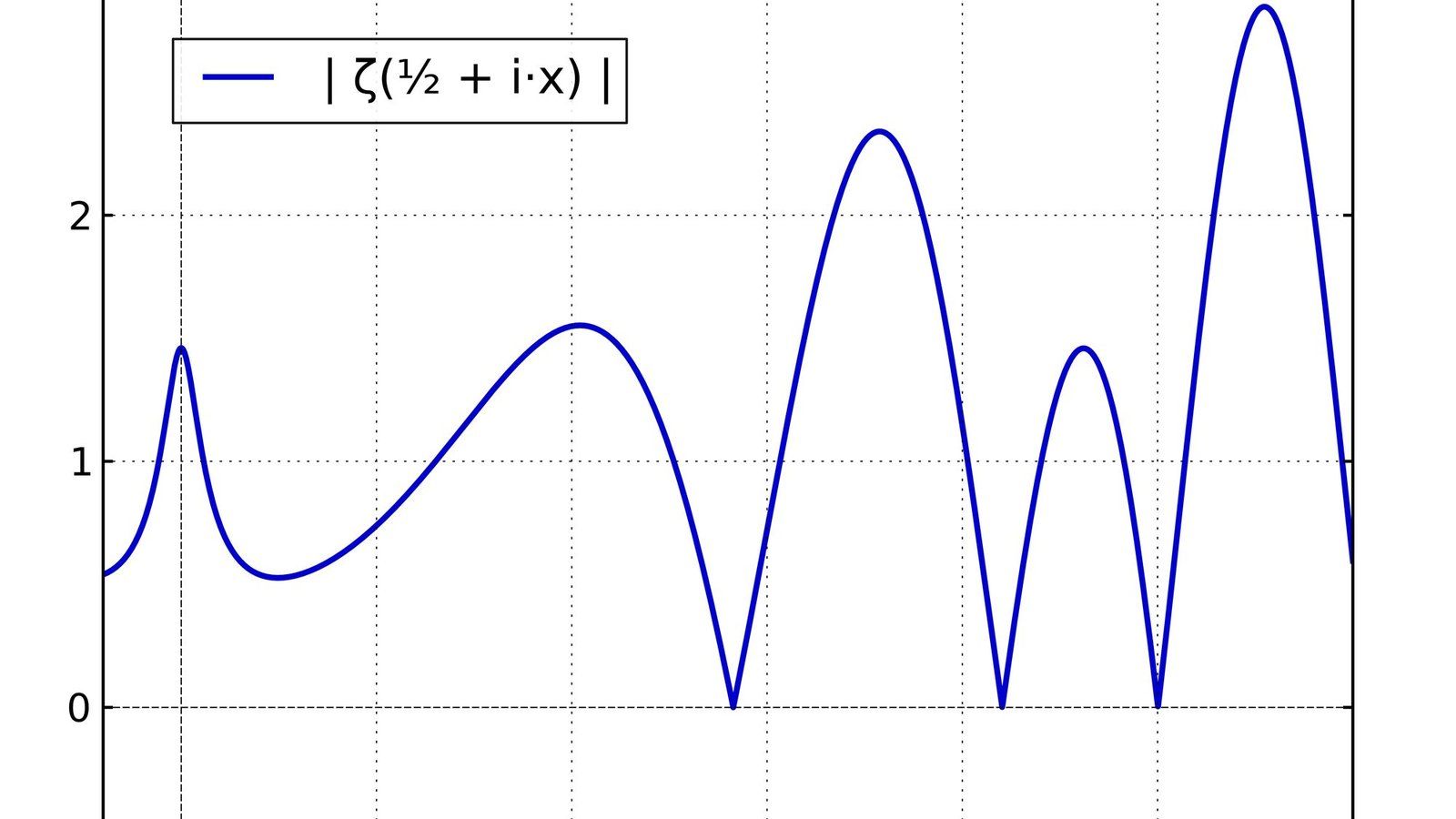
What the Riemann hypothesis actually says
A million-dollar problem about where a certain function is zero sounds far from the primes. It is not: the hypothesis is a precise statement about how evenly the primes are spread, and it can be stated without a single complex number. Here is both versions, and why they are the same.

The largest known prime and how it was found
On 12 October 2024 a graphics processor in a data centre confirmed that 2^136279841 - 1 is prime. The number has 41,024,320 digits and it is the 52nd Mersenne prime found. Here is why the record primes all have this shape, how the test works, and what changed in 2024.
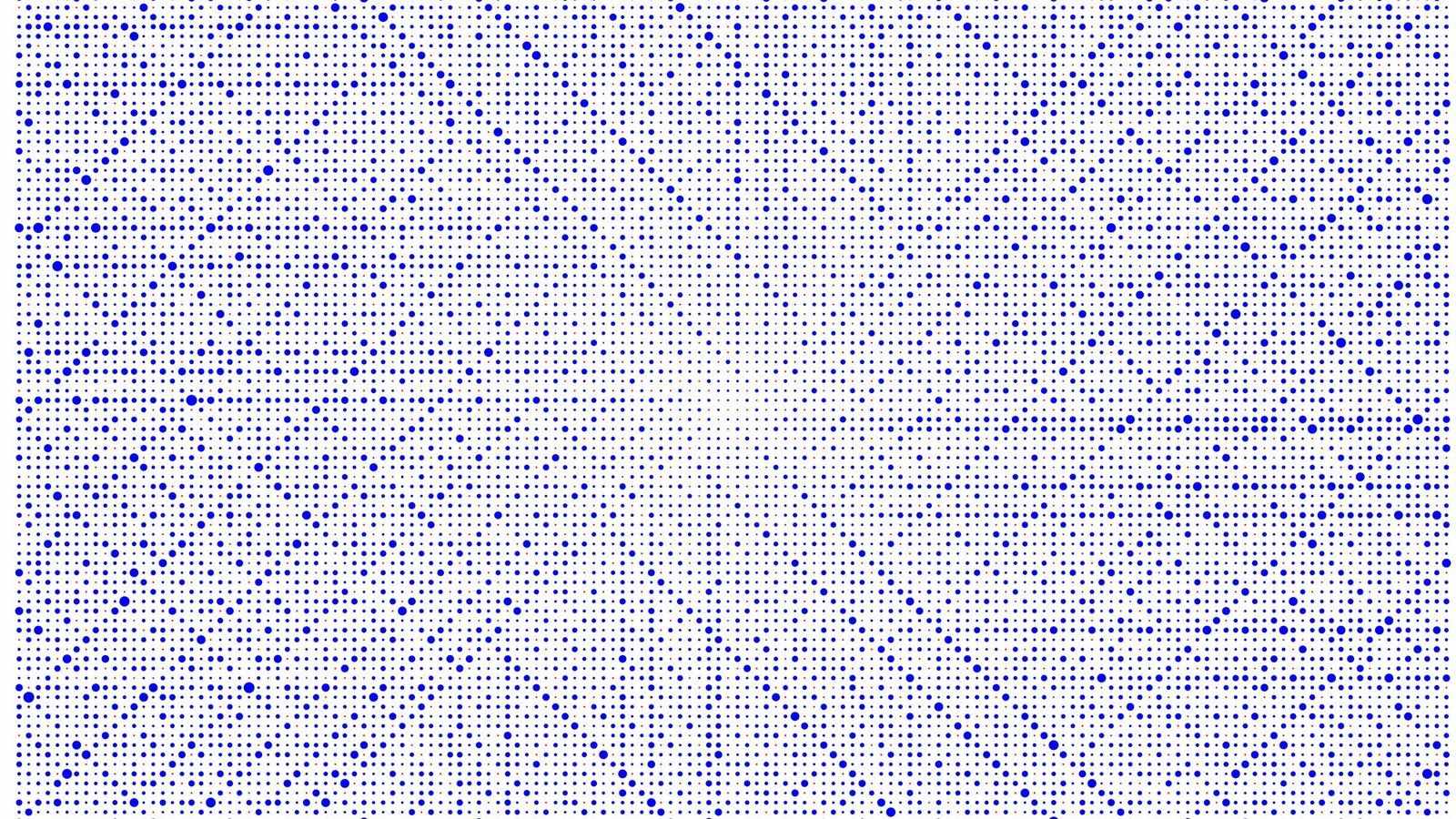
Ulam's spiral and the diagonals of primes
Write the integers in a square spiral, mark the primes, and diagonal lines appear. Stanislaw Ulam noticed it while doodling through a dull talk in 1963. The lines are real, they are quadratic polynomials, and whether they go on for ever is an open question.
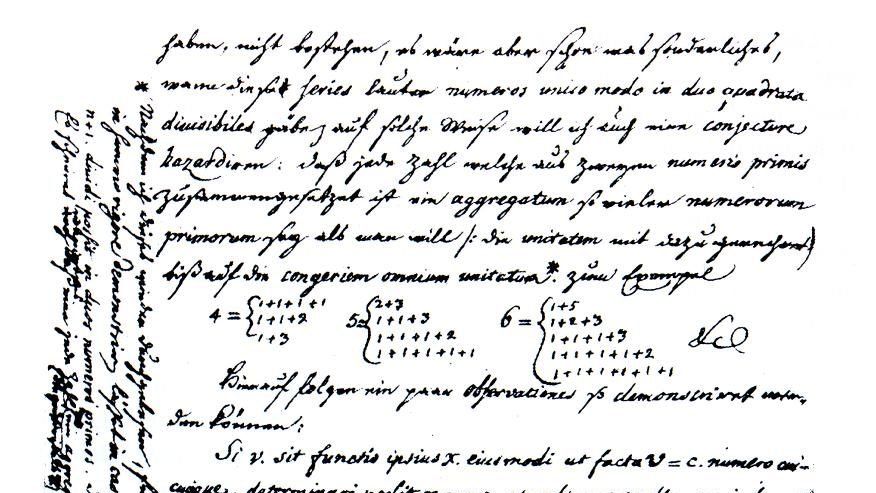
Goldbach's conjecture, checked to four quintillion
Every even number greater than 2 is the sum of two primes: 4 = 2 + 2, 100 = 3 + 97, and so on up to 4,000,000,000,000,000,000, where the checking stopped in 2012. Nobody has proved it for the numbers beyond. Here is the letter of 1742, what has been proved, and why a verification is not a proof.
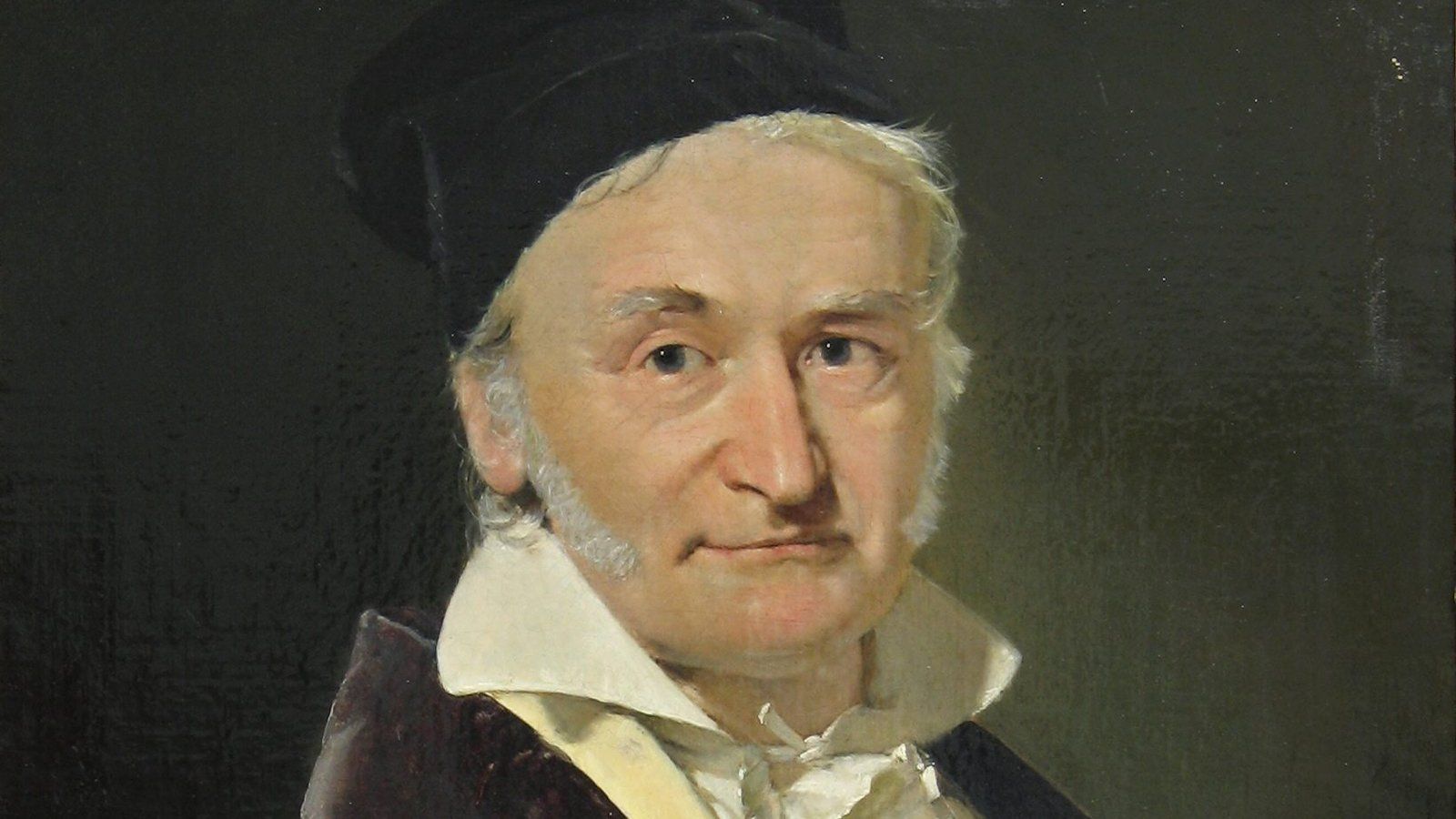
The prime number theorem in plain words
How many primes are there below a million? Below a trillion? A fifteen-year-old Gauss guessed the answer from tables in 1792, and it took a century to prove. Here is what the theorem says, where the guess came from, and what it means for a 100-digit number.
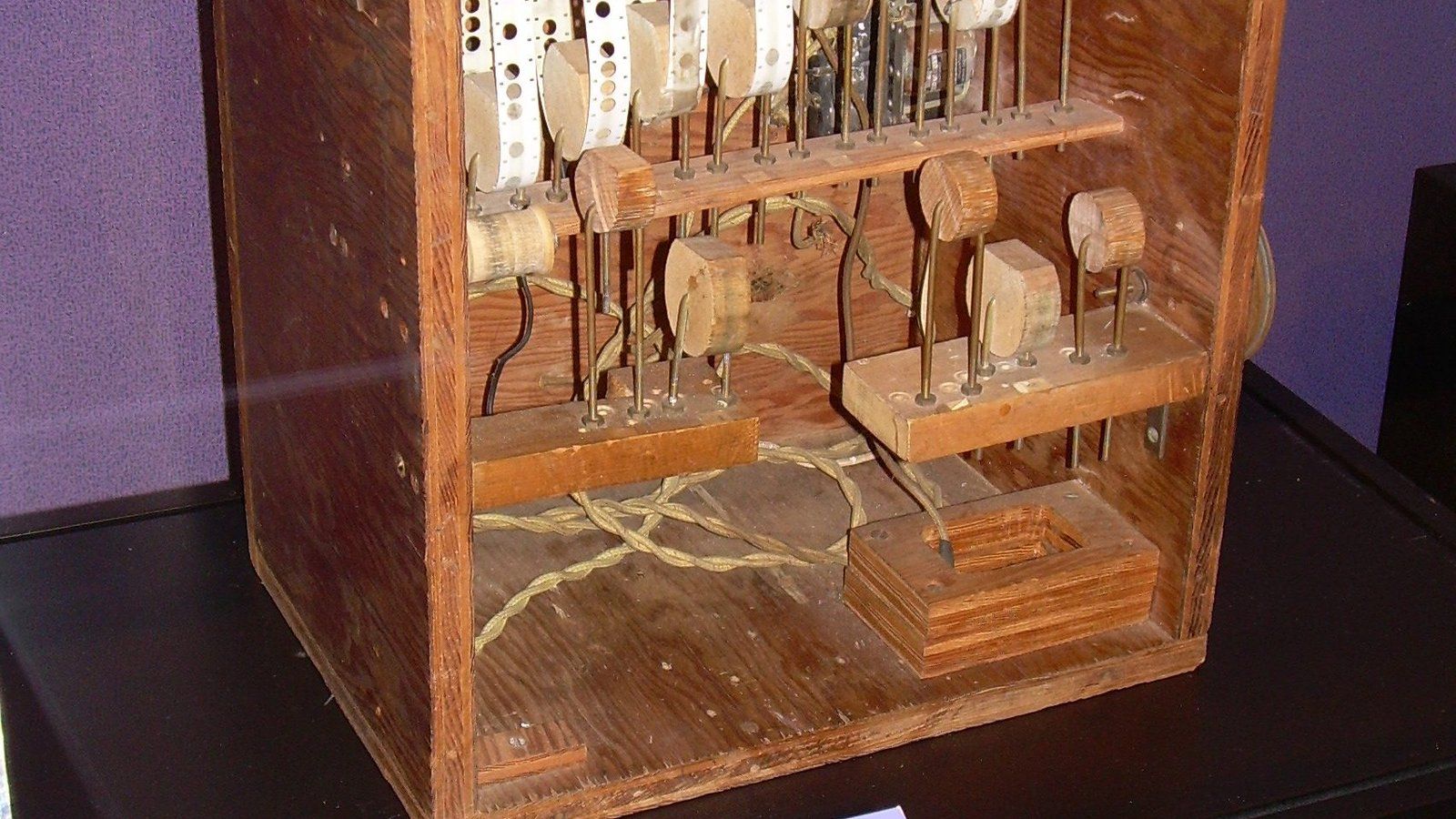
Is this number prime? From Fermat's test to Miller-Rabin
Trial division decides whether a number is prime in a time that grows with its square root, hopeless at 300 digits. A test built on Fermat's little theorem does it in milliseconds, with a catch, and a repaired version runs inside every cryptographic library in use today.
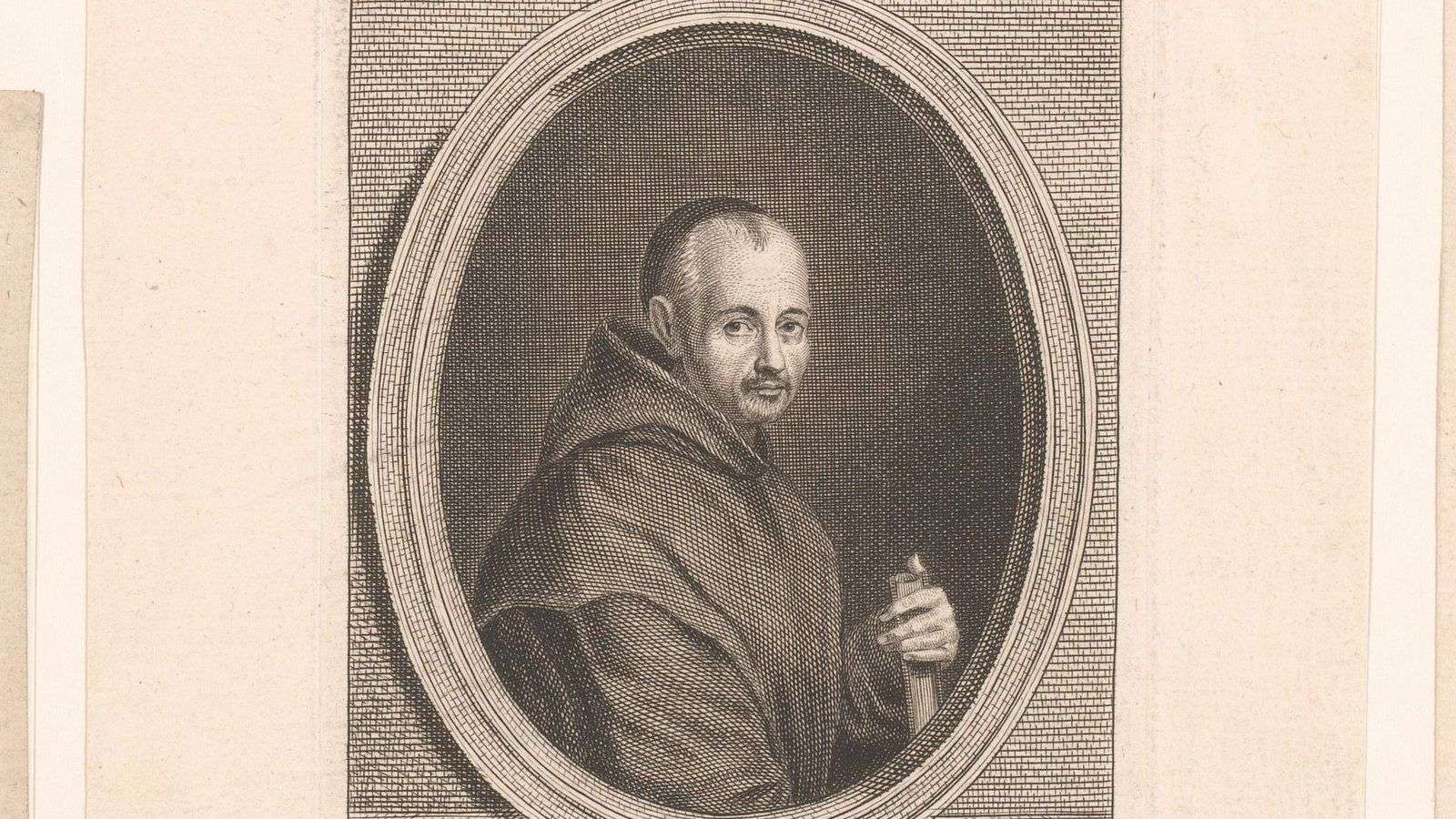
Perfect numbers and the hunt for an odd one
6 = 1 + 2 + 3 and 28 = 1 + 2 + 4 + 7 + 14 are perfect: each is the sum of its proper divisors. Euclid knew how to make them, Euler proved his recipe makes all the even ones, and nobody knows whether an odd one exists. Here is the oldest open problem in mathematics.
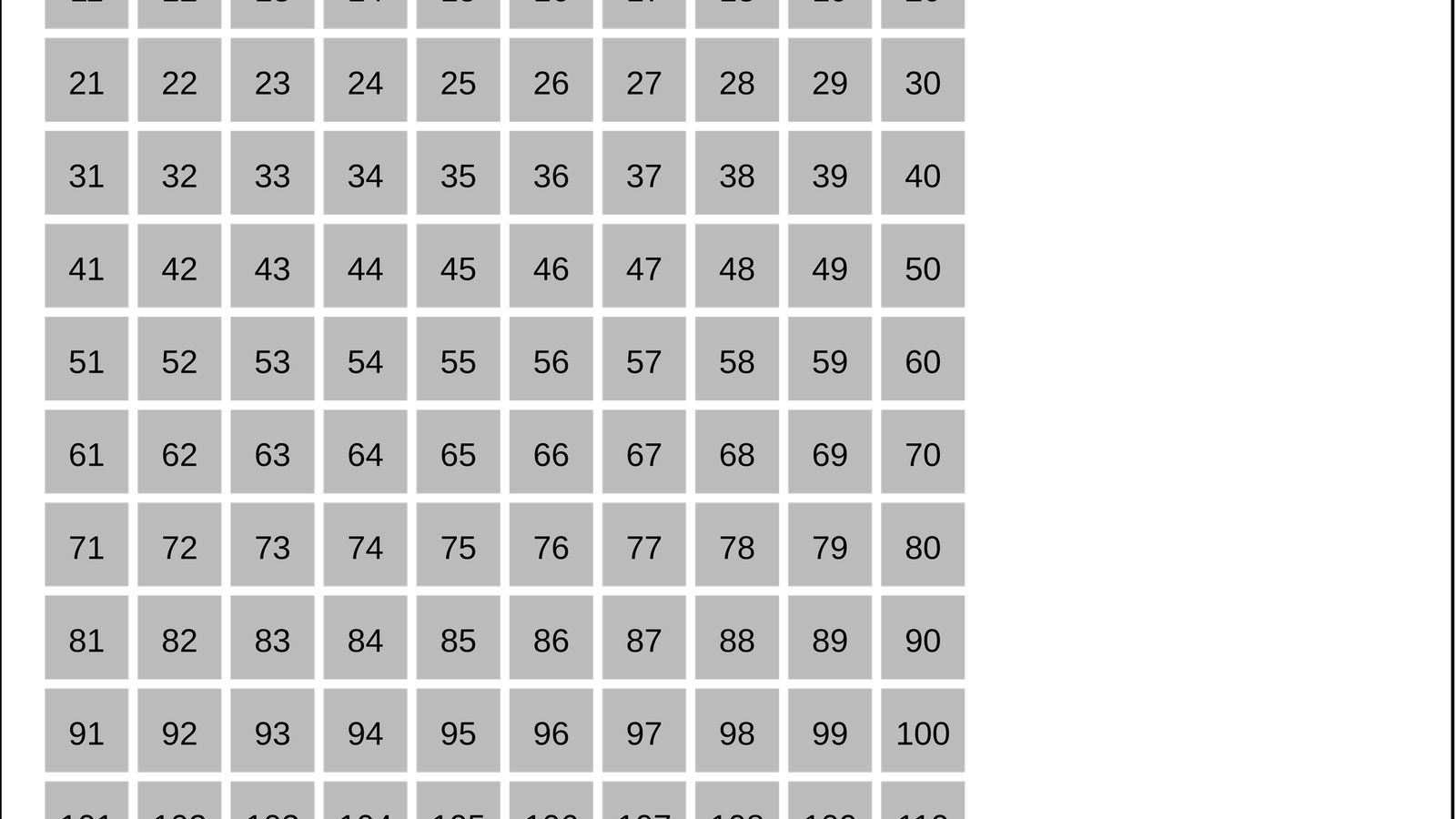
The sieve of Eratosthenes, and how to make it fast
Write down the numbers, cross out the multiples of each prime, and what is left is prime. The method is 2,200 years old and, with two improvements, it is still how a laptop counts the primes below a trillion in a few seconds.
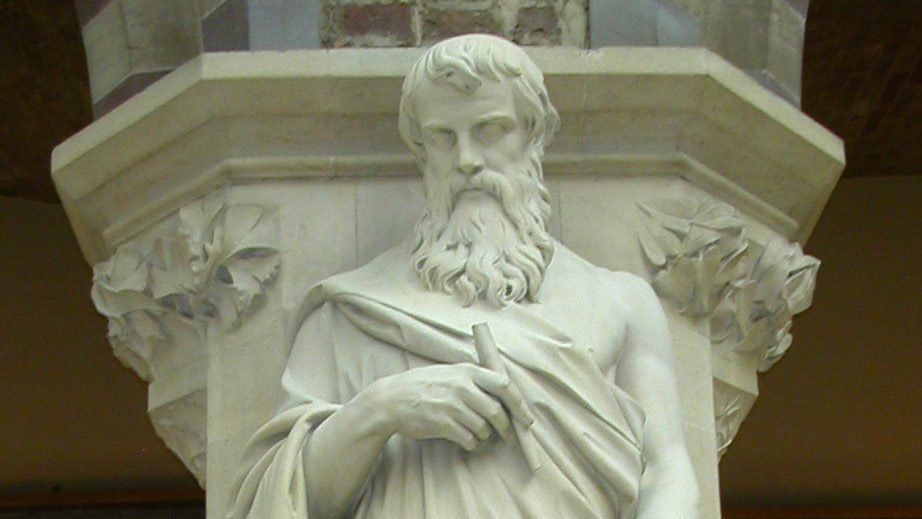
Euclid's proof that the primes never end
Proposition 20 of Book IX of the Elements is the oldest proof most people ever meet. Here is what it says, the mistake almost everyone makes when retelling it, and three other ways to prove the same thing.
Why 1 is not a prime number
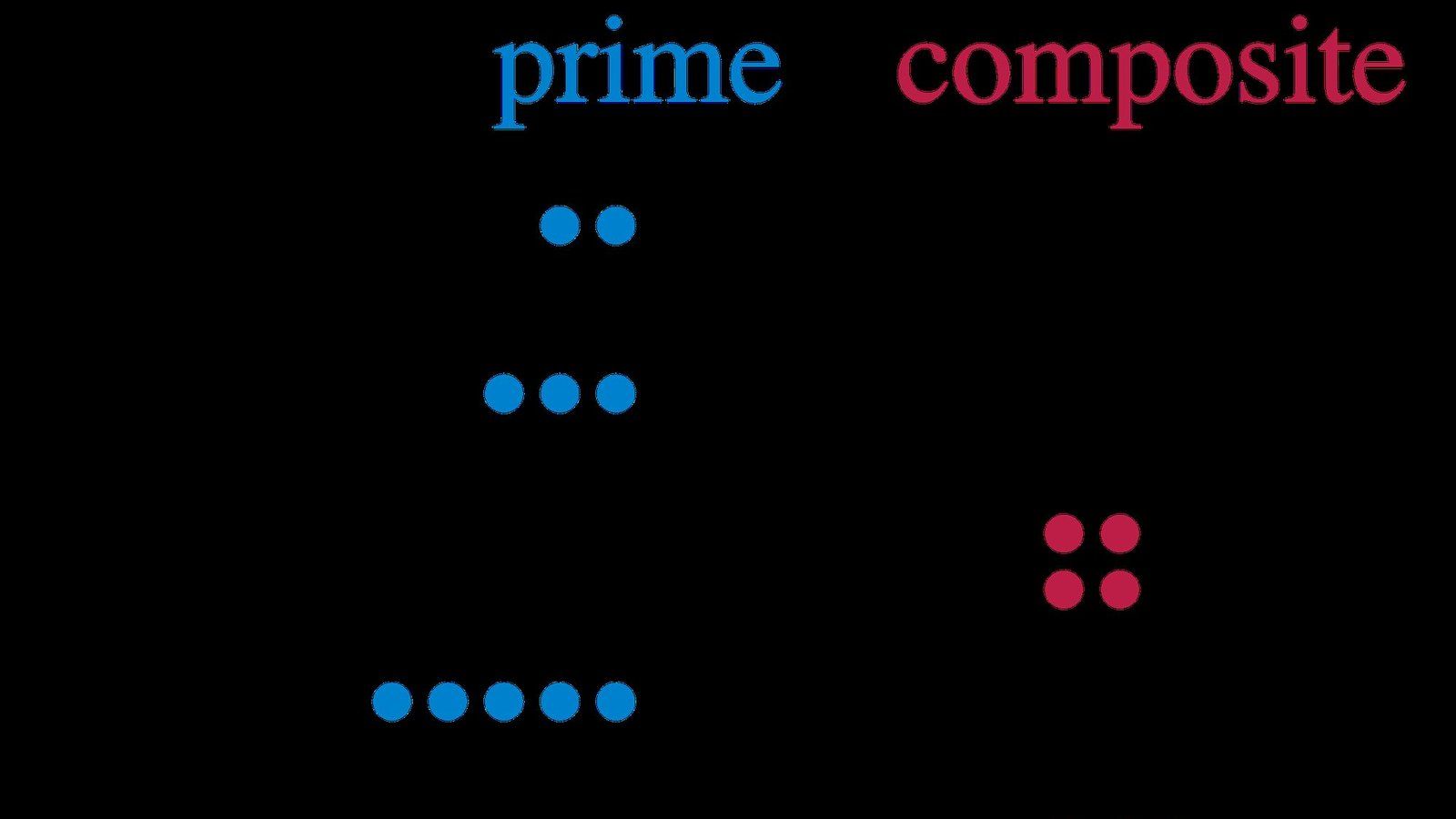
The number 1 has no divisors apart from itself, which sounds like the definition of a prime. For most of the nineteenth century some tables listed it as one. Here is why the definition changed, and why the reason is unique factorization.
In the masterclass
Prime Numbers and Unique Factorization
Why every integer factors into primes in exactly one way, and why the primes never end
The Great Problems of Number Theory
Goldbach, twin primes, the Riemann hypothesis, and Fermat's Last Theorem: what is known and what is open
The Distribution of the Primes
How the primes thin out: Chebyshev's bounds, Bertrand's postulate, Mertens' theorems, and the prime number theorem
Primes in Arithmetic Progressions
Dirichlet's theorem, with the characters and L-functions that prove it, and the progressions inside the primes