
History of number theory
The stories behind the theorems: Fermat's margin note, Goldbach's letter to Euler, a Babylonian tablet of triples, and the teenager who proved reciprocity.
Articles
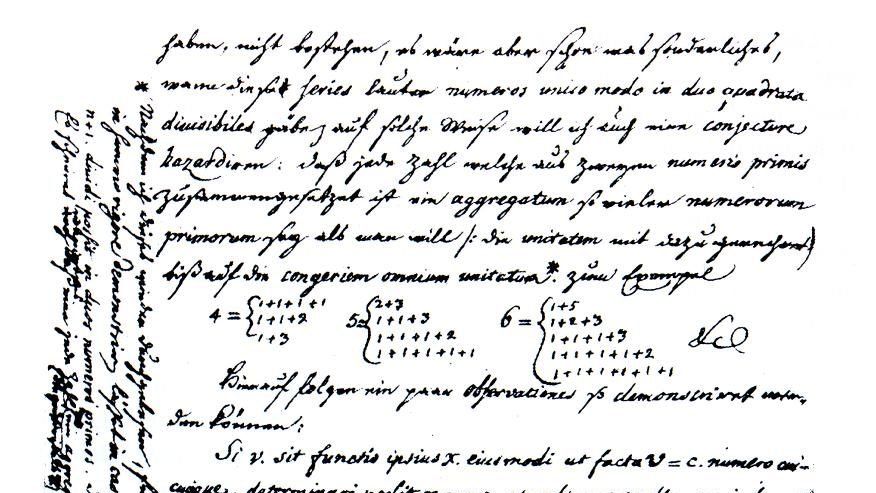
Goldbach's conjecture, checked to four quintillion
Every even number greater than 2 is the sum of two primes: 4 = 2 + 2, 100 = 3 + 97, and so on up to 4,000,000,000,000,000,000, where the checking stopped in 2012. Nobody has proved it for the numbers beyond. Here is the letter of 1742, what has been proved, and why a verification is not a proof.
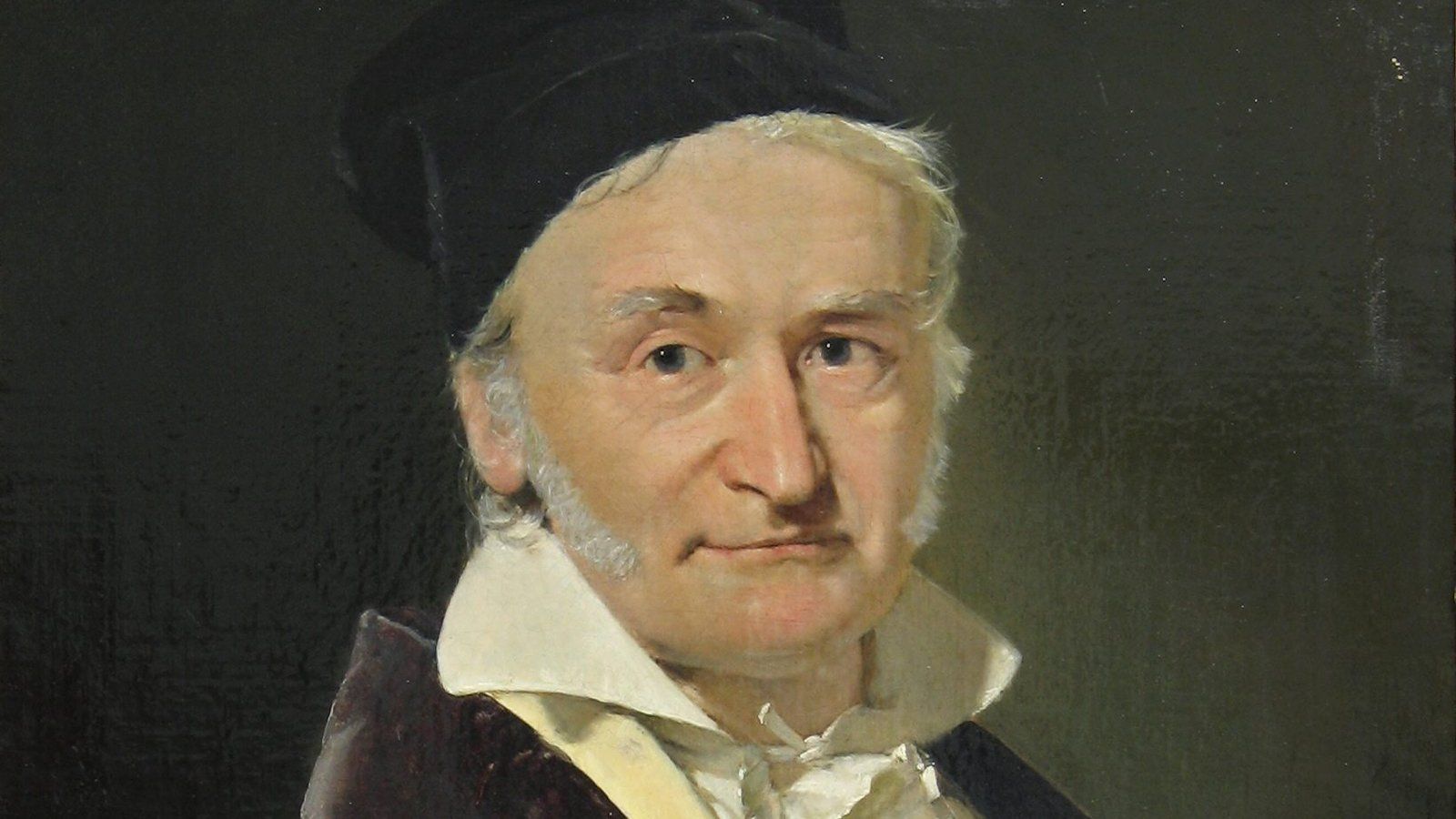
The prime number theorem in plain words
How many primes are there below a million? Below a trillion? A fifteen-year-old Gauss guessed the answer from tables in 1792, and it took a century to prove. Here is what the theorem says, where the guess came from, and what it means for a 100-digit number.
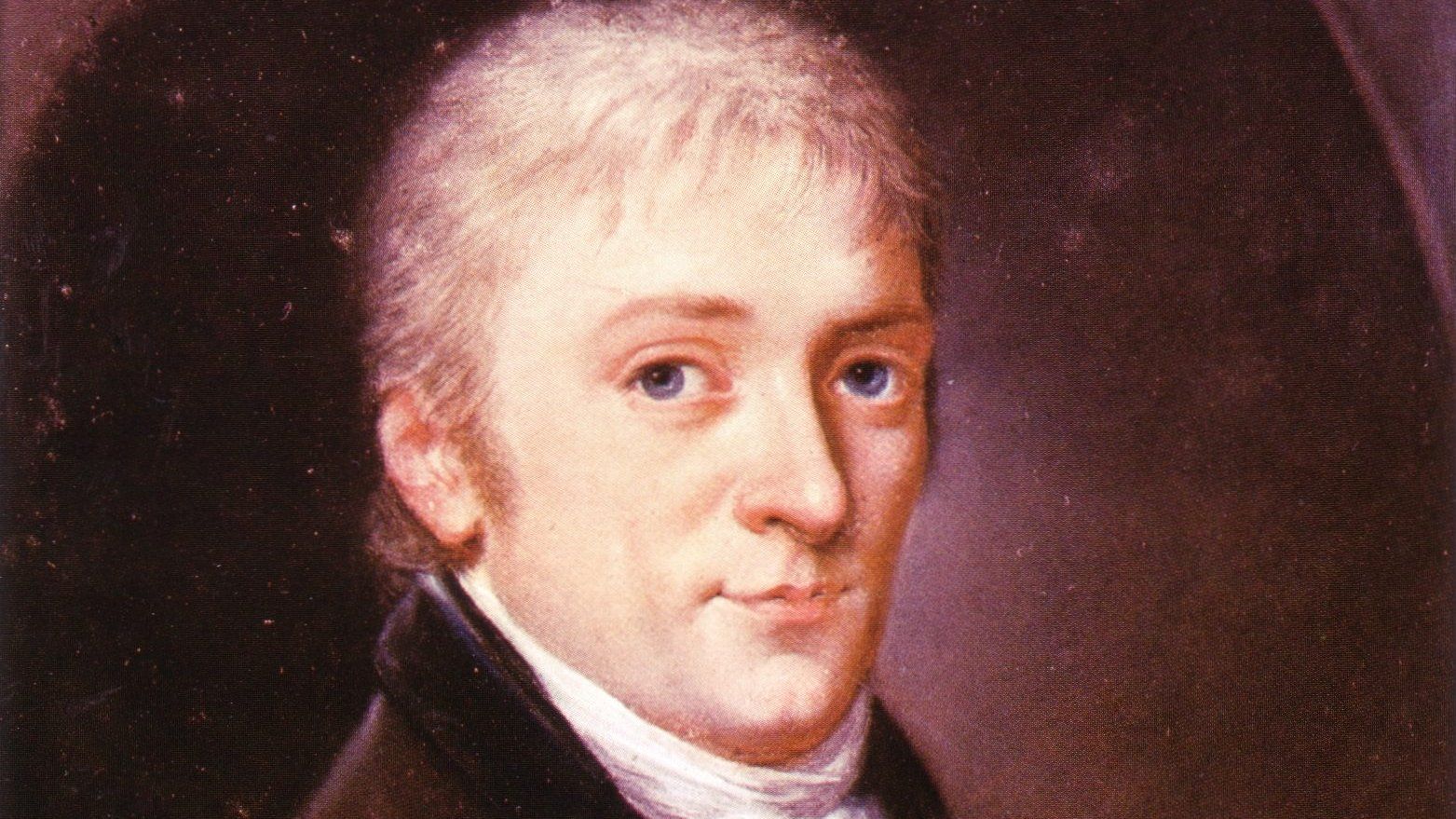
Gauss's golden theorem
Whether 7 is a square modulo 101 has, it turns out, everything to do with whether 101 is a square modulo 7. Gauss proved this at eighteen, called it the golden theorem, and went on to prove it seven more times. Here is what it says and one computation with it.
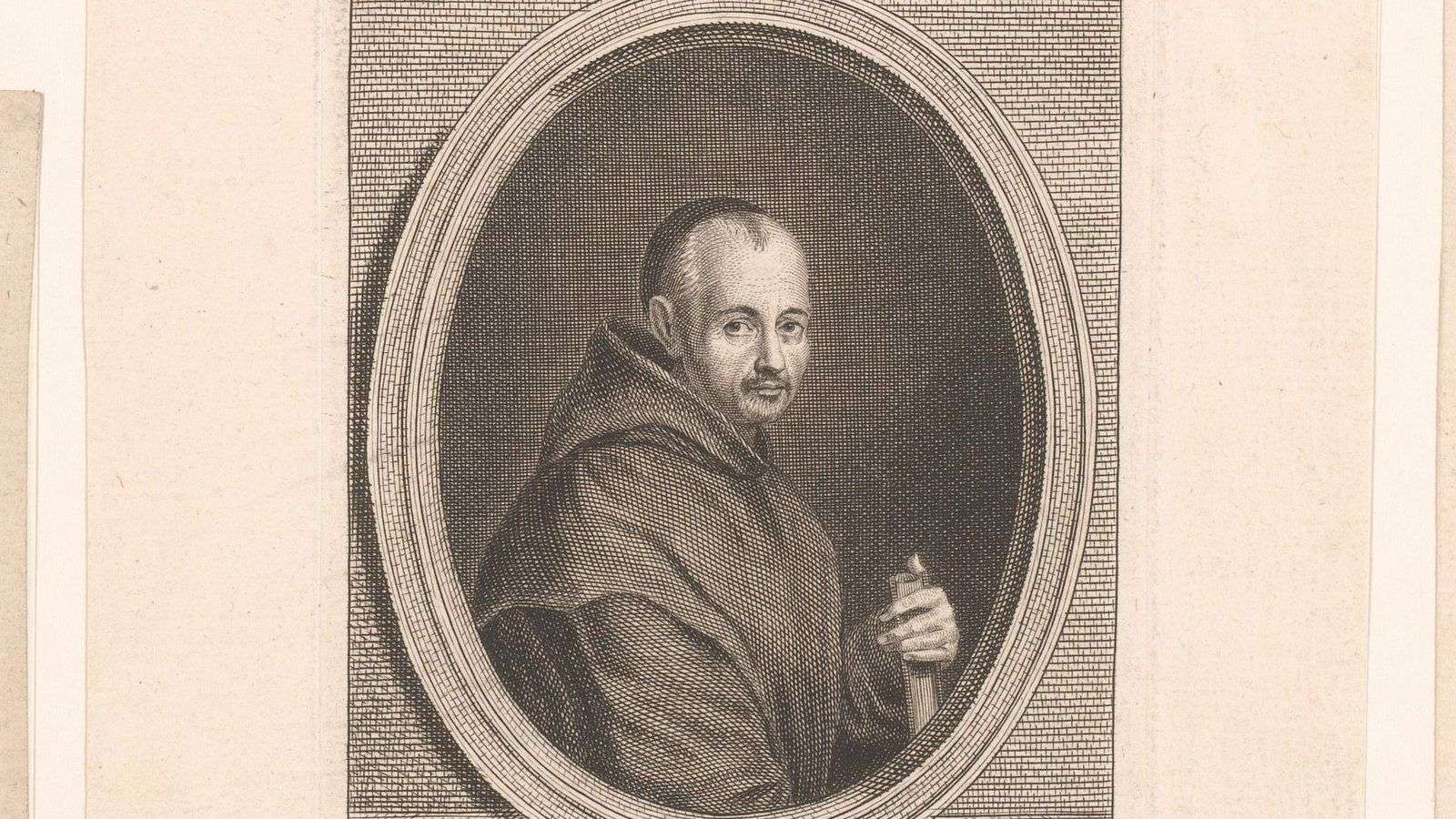
Perfect numbers and the hunt for an odd one
6 = 1 + 2 + 3 and 28 = 1 + 2 + 4 + 7 + 14 are perfect: each is the sum of its proper divisors. Euclid knew how to make them, Euler proved his recipe makes all the even ones, and nobody knows whether an odd one exists. Here is the oldest open problem in mathematics.
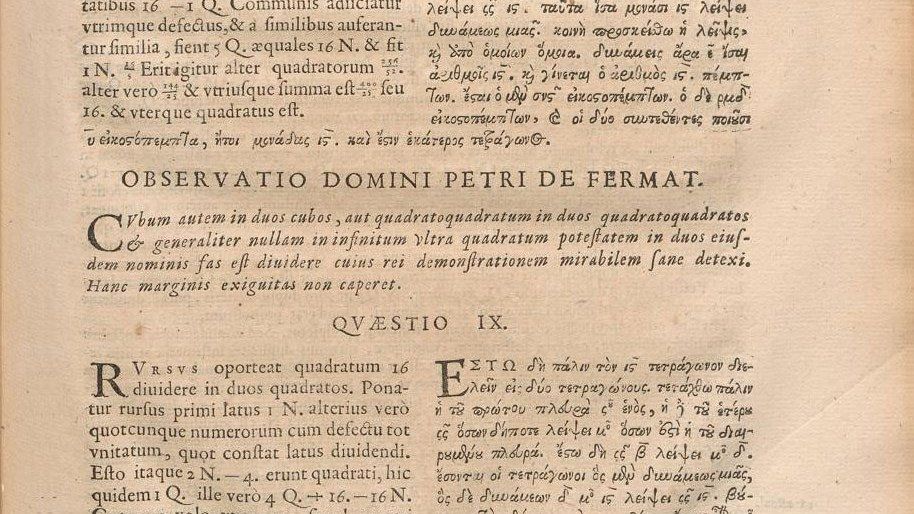
Fermat's margin note and the 358 years that followed
Around 1637 a French judge wrote in the margin of a Greek textbook that he had a marvellous proof which the margin was too narrow to contain. The proof arrived in 1995 and runs to over a hundred pages. Here is what happened in between.
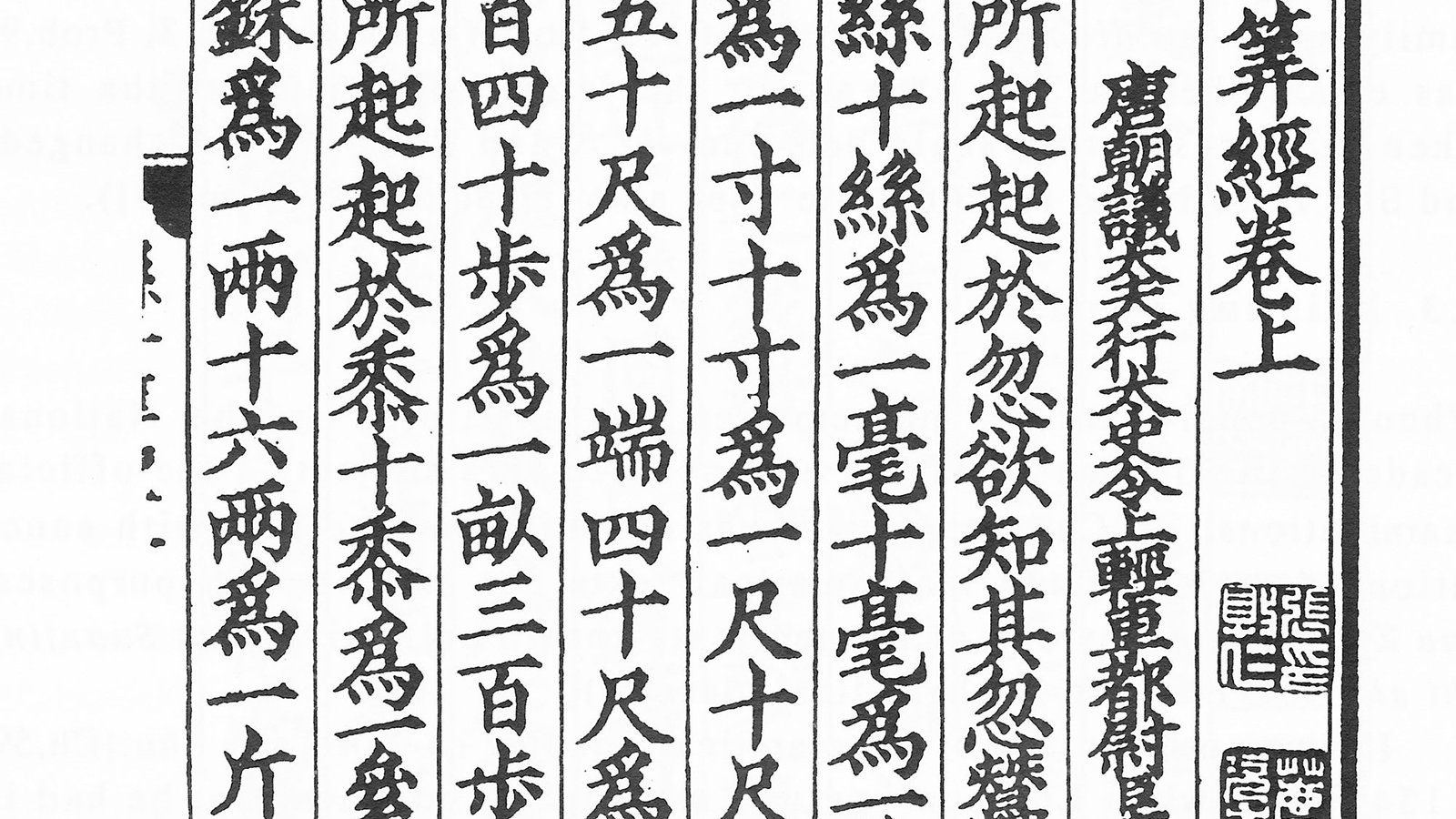
Sunzi's puzzle and the Chinese remainder theorem
A Chinese text from around the fourth century asks for a number that leaves remainder 2 on division by 3, remainder 3 on division by 5, and remainder 2 on division by 7. The method that solves it is now a theorem used inside every computer algebra system and a good deal of cryptography.
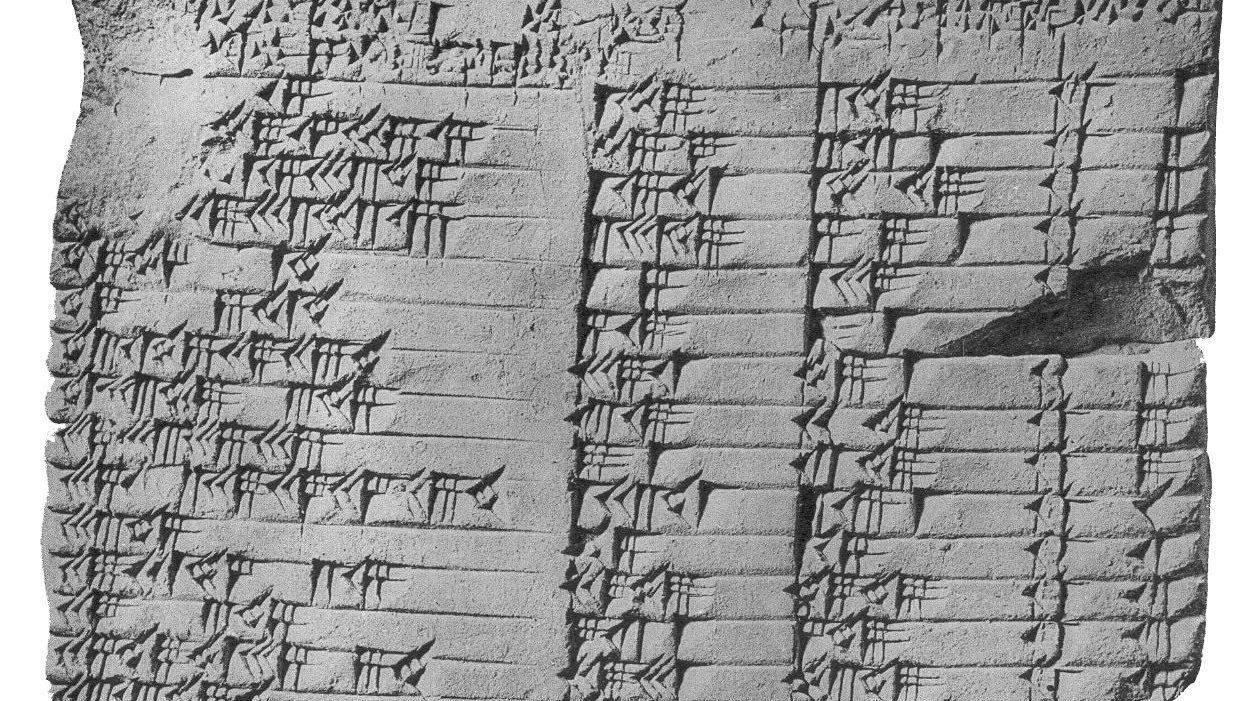
Pythagorean triples, the formula that finds them all
Three whole numbers with a² + b² = c² are a Pythagorean triple. A Babylonian scribe listed fifteen of them 3,800 years ago, and a two-parameter formula produces every one. Here is the formula, why it is complete, and the circle hiding behind it.
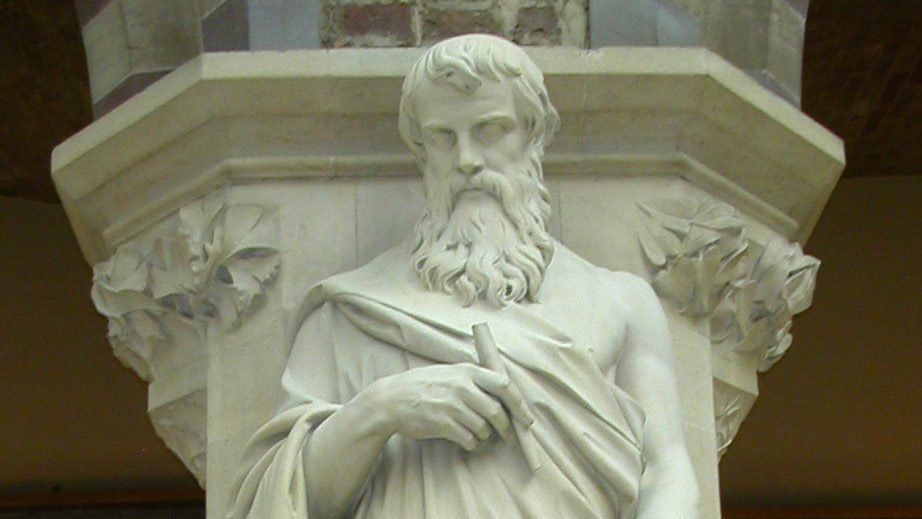
Euclid's proof that the primes never end
Proposition 20 of Book IX of the Elements is the oldest proof most people ever meet. Here is what it says, the mistake almost everyone makes when retelling it, and three other ways to prove the same thing.
Why 1 is not a prime number
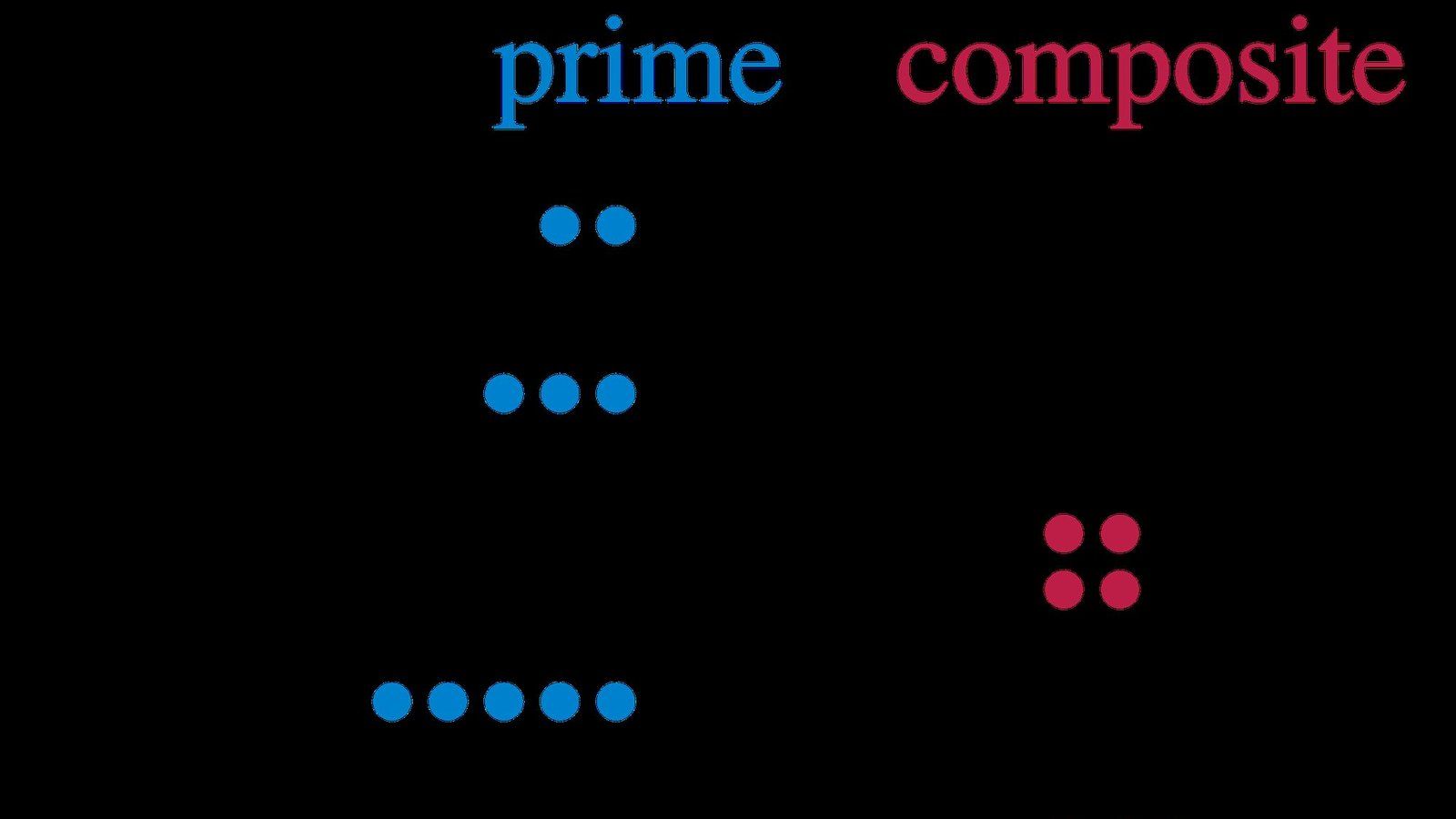
The number 1 has no divisors apart from itself, which sounds like the definition of a prime. For most of the nineteenth century some tables listed it as one. Here is why the definition changed, and why the reason is unique factorization.
In the masterclass
Proof, Induction, and the Integers
What a proof is, how induction works, and the toolkit every later unit uses
Divisibility and the Euclidean Algorithm
Division with remainder, the greatest common divisor, and the oldest algorithm still in use
Diophantine Equations
Whole-number solutions of equations: Pythagorean triples, descent, and Pell's equation
Quadratic Residues and Quadratic Reciprocity
Which numbers are squares modulo a prime, and Gauss's law that answers it
Sums of Squares and Quadratic Forms
Fermat's two squares, Lagrange's four squares, and the binary quadratic forms behind them