
NT Masterclass Blog
Explanations, background, and advice for curious students.
Latest articles

How to prepare for the number theory problems of the IMO
Number theory is one of the four areas of the International Mathematical Olympiad, and the one in which a well-chosen theorem shortens a problem the most. Here is what the syllabus assumes, which theorems to know cold, where the past problems are, and how to train.
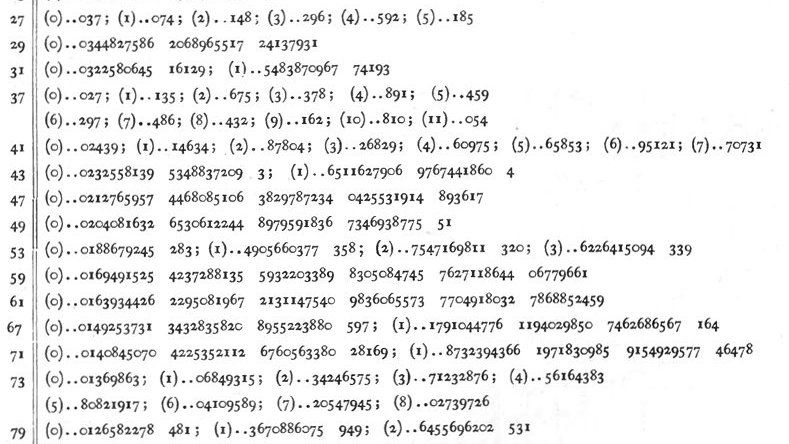
Why the digits of 1/7 repeat every six places
1/7 = 0.142857142857... and the block of six never changes. 1/13 repeats every six places too, 1/17 every sixteen, and 1/3 every one. The period is the order of 10 modulo the denominator, and the question of which primes get the longest possible period is still open.
Perfect numbers and the hunt for an odd one
6 = 1 + 2 + 3 and 28 = 1 + 2 + 4 + 7 + 14 are perfect: each is the sum of its proper divisors. Euclid knew how to make them, Euler proved his recipe makes all the even ones, and nobody knows whether an odd one exists. Here is the oldest open problem in mathematics.
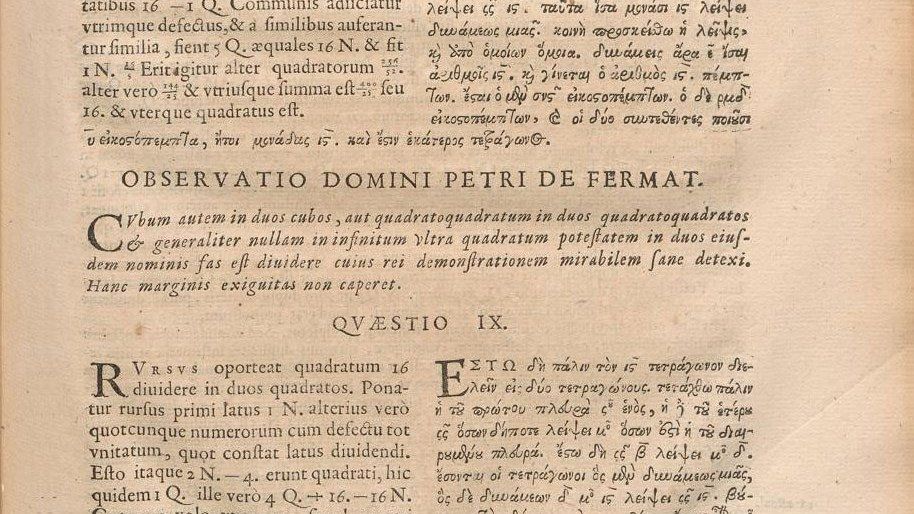
Fermat's margin note and the 358 years that followed
Around 1637 a French judge wrote in the margin of a Greek textbook that he had a marvellous proof which the margin was too narrow to contain. The proof arrived in 1995 and runs to over a hundred pages. Here is what happened in between.
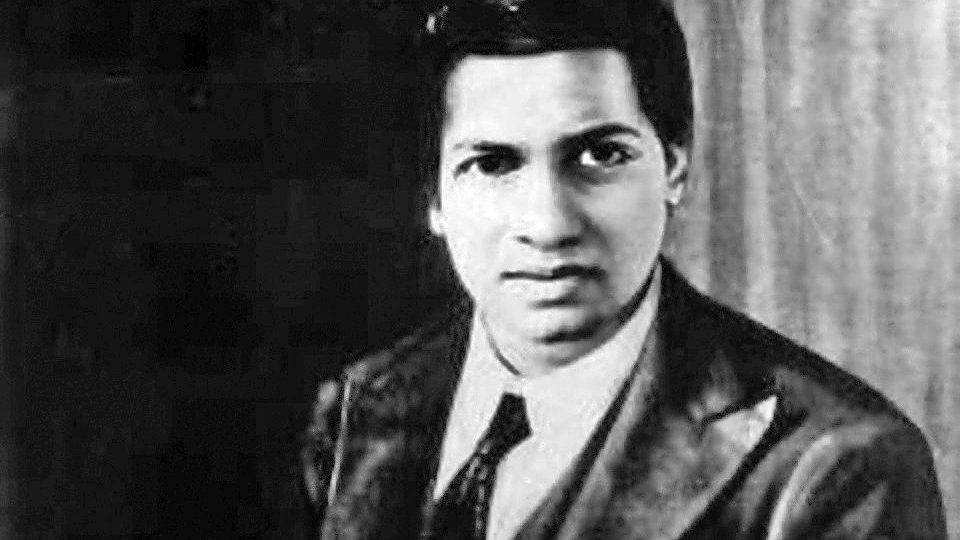
1729, the number on Hardy's taxi
Hardy called the number of his taxi dull. Ramanujan, from his hospital bed, said it was the smallest number that is a sum of two cubes in two ways. Here is why that is true, what the taxicab numbers are, and how far the search has gone since 1919.
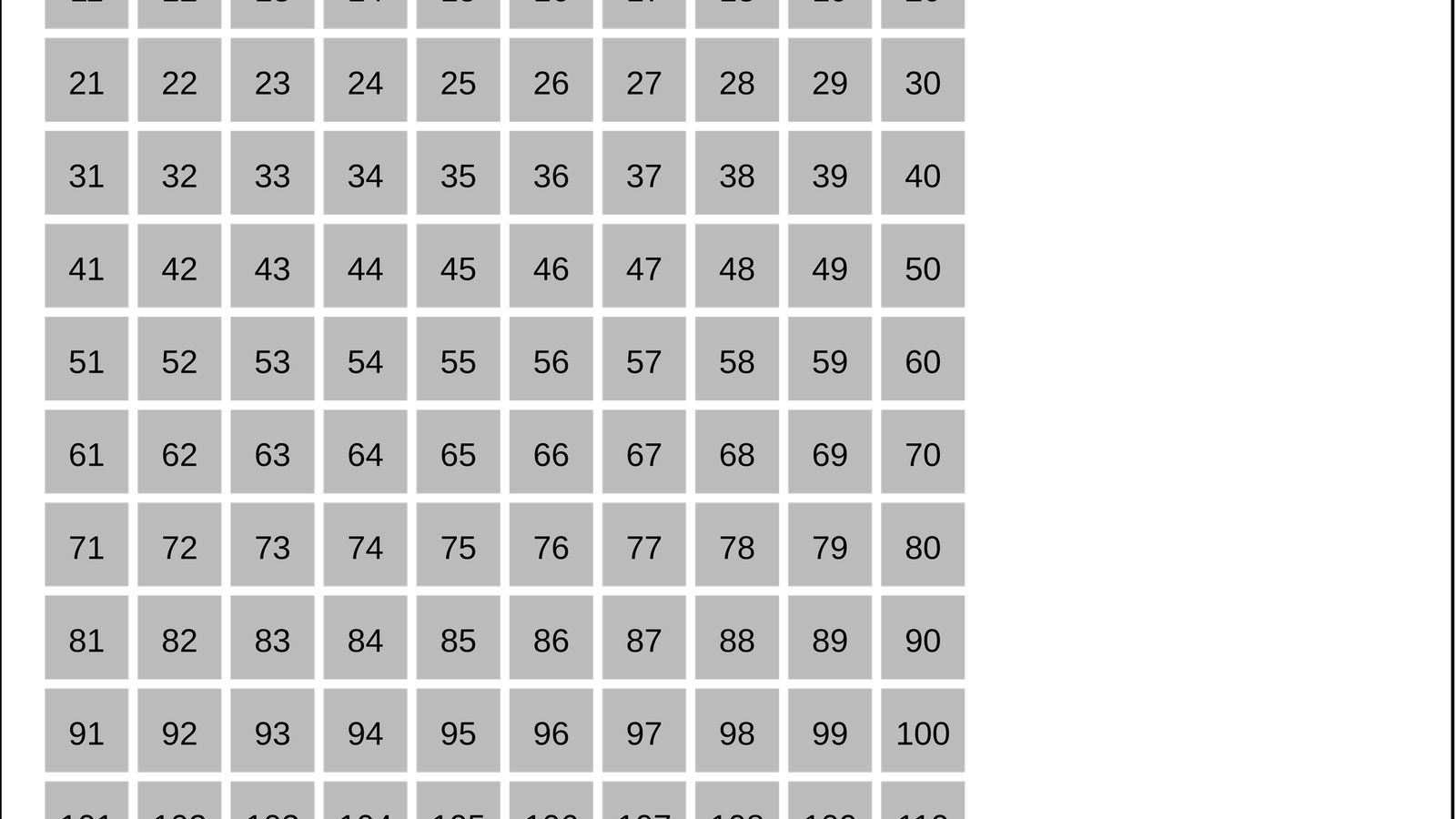
The sieve of Eratosthenes, and how to make it fast
Write down the numbers, cross out the multiples of each prime, and what is left is prime. The method is 2,200 years old and, with two improvements, it is still how a laptop counts the primes below a trillion in a few seconds.

How RSA encryption works, with the numbers
Two primes, one multiplication, and a theorem Euler proved in 1736: that is RSA. Here is the whole system worked through with p = 61 and q = 53, small enough to check by hand, and an explanation of why a 600-digit version keeps the web safe.
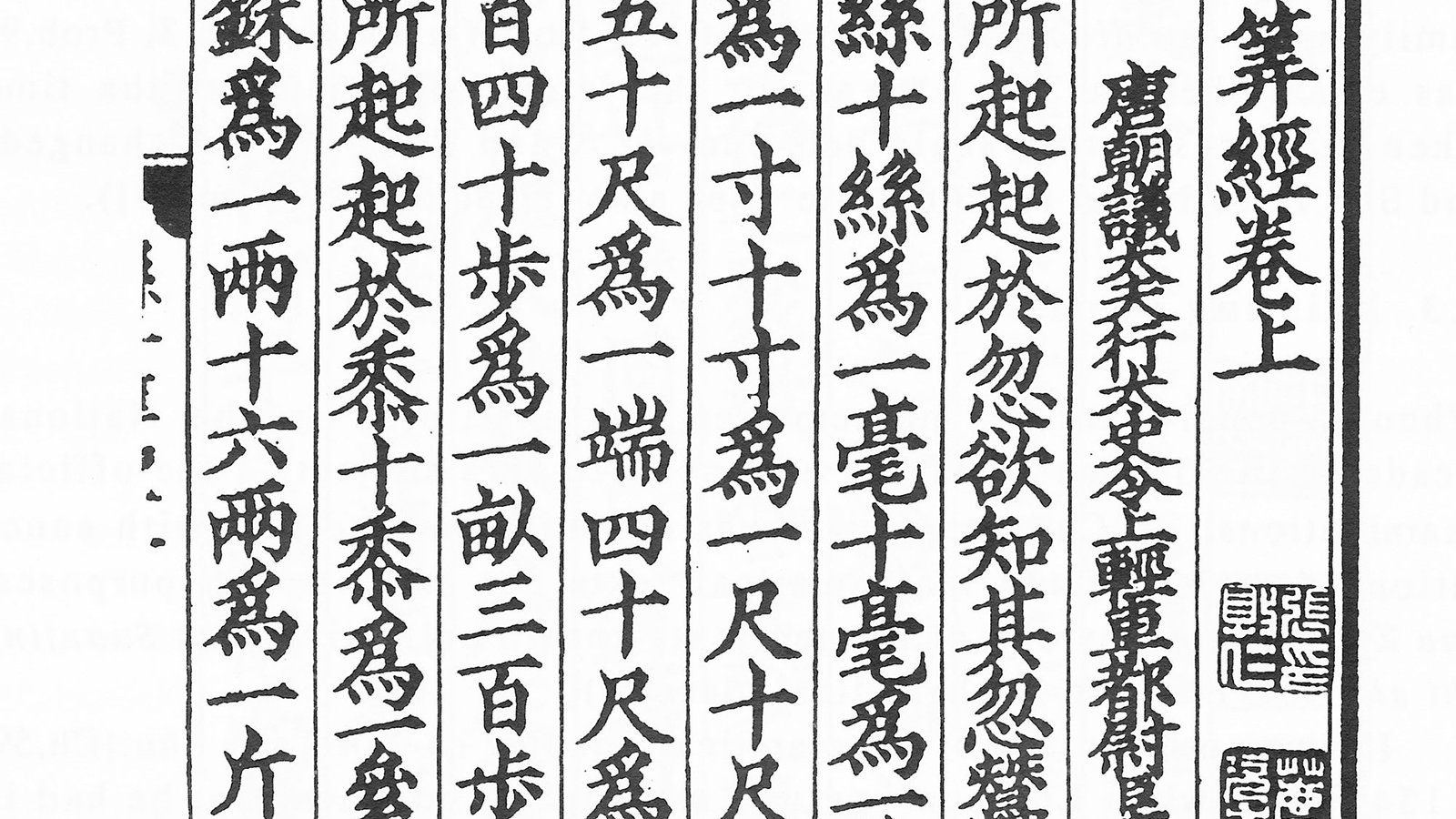
Sunzi's puzzle and the Chinese remainder theorem
A Chinese text from around the fourth century asks for a number that leaves remainder 2 on division by 3, remainder 3 on division by 5, and remainder 2 on division by 7. The method that solves it is now a theorem used inside every computer algebra system and a good deal of cryptography.
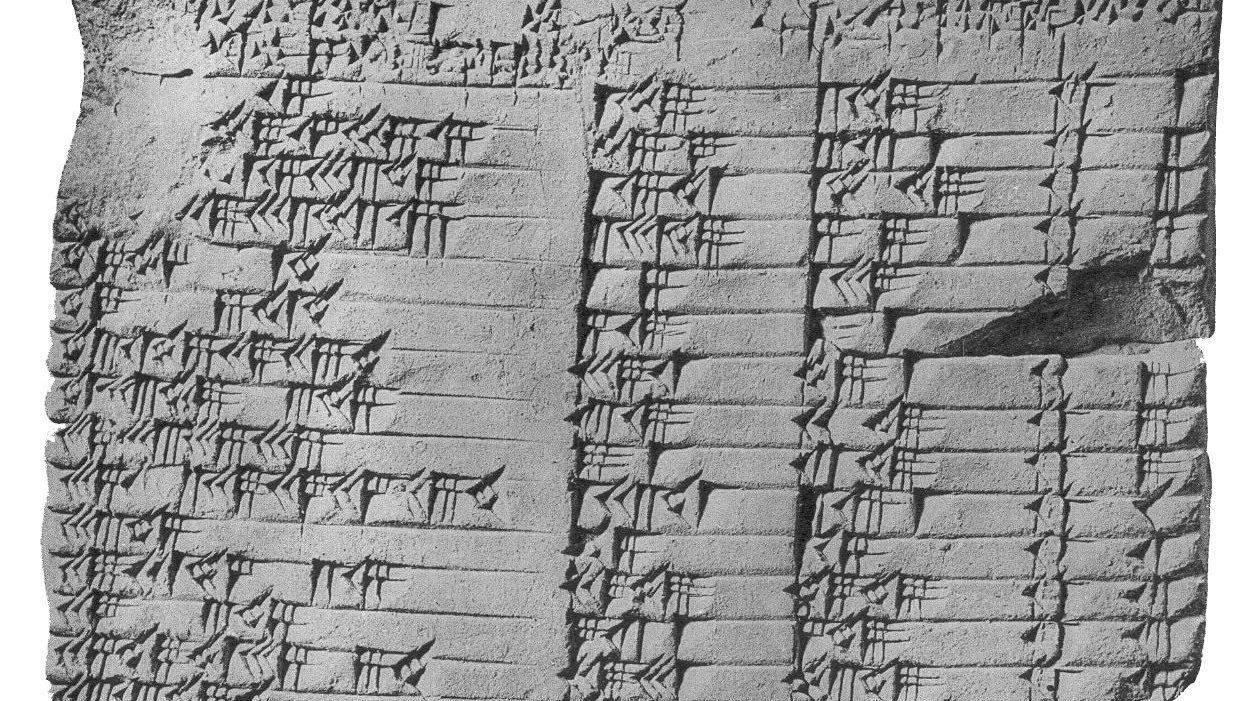
Pythagorean triples, the formula that finds them all
Three whole numbers with a² + b² = c² are a Pythagorean triple. A Babylonian scribe listed fifteen of them 3,800 years ago, and a two-parameter formula produces every one. Here is the formula, why it is complete, and the circle hiding behind it.